- Posted: 06 December 2023
Look out for signs that you have diabetes such as being tired, thirsty, hungry, peeing a lot, and losing weight without trying. Taking care of diabetes will help you get healthy and lower your risk of problems.
Every 24 hours, 170 individuals with diabetes initiate treatment for kidney failure, emphasizing the significant impact of diabetes on renal health. This statistic underscores the urgent need for proactive management of diabetes to prevent complications such as end-stage renal disease.
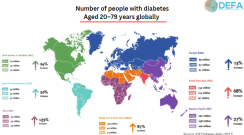
This figure represents the millions of adults aged between 20 and 79 years who are currently living with diabetes. Projections indicate that this number is expected to increase to 643 million by the year 2030 and further to 783 million by 2045. These forecasts highlight the significant challenge posed by the rising prevalence of diabetes worldwide and the importance of preventative measures and improved management strategies.
Tips to follow when considering exercise for weight loss.
An international project investigating the relationship between nutrition, diabetes, and peripheral neuropathy, aiming to develop targeted strategies for managing and potentially preventing peripheral neuropathy in individuals with diabetes through dietary interventions.
Diabetes is a prevalent and chronic health condition that affects millions of people worldwide, research is essential for understanding the condition, improving treatment options, preventing complications, and ultimately enhancing the lives of individuals affected by diabetes.
This business case highlights an intervention focusing on preventing the onset or worsening of symptoms within Diabetic Peripheral Neuropathy (DPN) in people with diabetes and obesity, or in people with diabetic neuropathy and obesity.
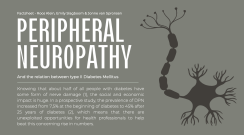
Peripheral neuropathy is a common complication of diabetes, affecting a significant number of individuals with the condition. This factsheet aims to provide a comprehensive overview of peripheral neuropathy associated with diabetes, offering valuable information on its causes, symptoms, diagnosis, and management.
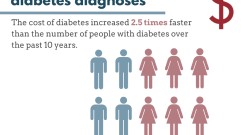
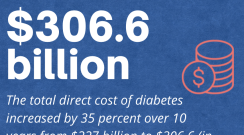
A brief look at the financial implications of diabetes, with a primary focus on the total direct cost associated with this chronic condition.
Source: Diabetes Care Journal American Diabetes Association (ADA)
Objective: This study updates previous estimates of the economic burden of diagnosed diabetes, with calculation of the health resource use and indirect costs attributable to diabetes in 2022.
Research Design and Methods: We combine the demographics of the U.S. population in 2022 with diabetes prevalence, from national survey data, epidemiological data, health care cost data, and economic data, into a Cost of Diabetes Economic Model to estimate the economic burden at the population and per capita levels. Health resource use and associated medical costs are analyzed by age, sex, race/ethnicity, comorbid condition, and health service category. Data sources include national surveys (2015–2020 or most recent available), Medicare standard analytic files (2020), and administrative claims data from 2018 to 2021 for a large commercially insured population in the U.S.

Diabetes is a widespread chronic condition with significant financial implications for individuals, healthcare systems, and society as a whole. This resource sheds a light on the impact of diabetes on healthcare spending.
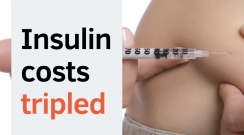
This resource focuses on the financial implications and trends related to the management and treatment of diabetes.
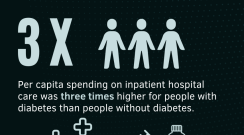
An overview on the allocation of healthcare expenditures, primarily between inpatient and outpatient hospital care on a per capita basis.
Source: DEFA
Welcome to this video that's all about the economic costs of diabetes. This video provides a compelling exploration of the financial implications of this widespread health condition in the United States. This video also emphasizes the importance of preventative measures to alleviate the economic strain on individuals, families, and the healthcare system.
This resource overviews the financial expenditures statistics related to diabetes care and brings awareness to the economic implications of diabetes care, treatment and management.
إعدادات الطوارئ الخاصة بمرضى السكرى و غيرها من الإمدادات التى يجب تعبئتها عند الطوارئ
معلومات مهمة يجب الاحتفاظ بها في مجموعة الطوارئ الخاصة بمرض السكري
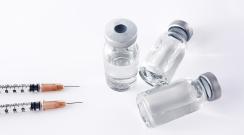
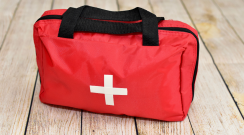
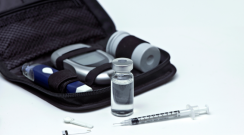
Planning is an important part of being prepared for an emergency. In addition to having basic emergency supplies, people with diabetes should also put together a diabetes care kit.
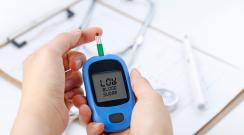
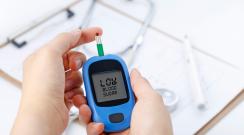
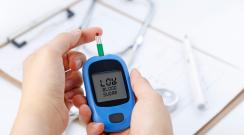
The "15 Rule" is a commonly used guideline for treating hypoglycemia (low blood glucose) in individuals with diabetes. It suggests consuming 15 grams of fast-acting carbohydrate, waiting for 15 minutes, and then rechecking blood glucose levels.
Here are some essential tips for first responders caring for people with diabetes, crucial for effectively and safely handling emergency situations.
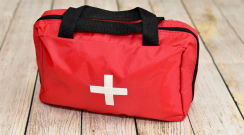
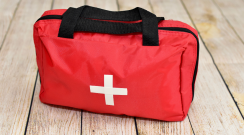
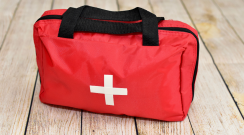
Planning is an important part of being prepared for an emergency. In addition to having basic emergency supplies, people with diabetes should also put together a diabetes care kit. Keep the kit in an easy-to-carry waterproof bag or storage container so you can move quickly if you have to evacuate.
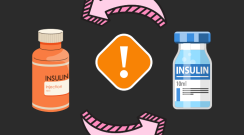
Information for Health Care Professionals: Insulin Switching Guide (Spanish)
Planning is an important part of being prepared for an emergency. In addition to having basic emergency supplies, people with diabetes should also put together a diabetes care kit. Keep the kit in an easy-to-carry waterproof bag or storage container so you can move quickly if you have to evacuate.
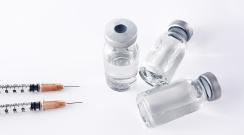
Prepare for any emergency with medication and diabetes supplies. Make sure you write down or copy the following important Information in your emergency diabetes kit.
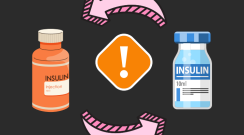
Summary on what is an Insulin Switching Guide and when to use one.
Information for Health Care Professionals: Insulin Switching Guide (Haitian Creole)
Prepare for any emergency with medication and diabetes supplies. Make sure you write down or copy the following important Information in your emergency diabetes kit.
The "15 Rule" is a commonly used guideline for treating hypoglycemia (low blood glucose) in individuals with diabetes. It suggests consuming 15 grams of fast-acting carbohydrate, waiting for 15 minutes, and then rechecking blood glucose levels.
Insulin Switching Patient Infographic addressing the following: Why are insulin types switched during times of conflict/natural disasters? What else should be expected with the change in type of insulin? Anything else people with diabetes should know with insulin switching?
هذه التوصيات مخصصة للعمل بها في حالات الاستجابة للكوارث فقط عندما لا يكون المرضى في نظامهم العلاجى المعتاد و قد يكون لديهم إمكانيات محدودة لرصد ومتابعة قياساتهم أو لا يمكنهم الحصول على الأنسولين الخاص بهم
يمكن أن تكون إدارة مرض السكري أمرا صعبا خلال الأزمات مثل الزلازل أو العواصف، فكيف يمكن للمريض التعامل مع السكري خلال هذه الأوقات؟
Here are some essential tips for first responders caring for people with diabetes, crucial for effectively and safely handling emergency situations.
Prepare for any emergency with medication and diabetes supplies. Make sure you write down or copy the following important Information in your emergency diabetes kit.
World Humanitarian Day serves as a reminder of the global impact of diabetes on vulnerable populations, highlighting the need for access to diabetes care and education in humanitarian crises and underserved communities.
تعرف على التغييرات أو الأعراض المتوقعة عند تغيير نوع الانسولين
World Food Safety Day emphasizes the importance of safe and nutritious food for all, including people with diabetes who rely on proper food handling and labeling to manage their condition effectively and reduce health risks associated with unsafe food practices.
ملخص حول ما هو دليل تبديل الأنسولين ومتى يجب استخدامه
تتطلب مساعدة مرضى السكري اهتمامًا إضافيًا خلال أوقات الحروب و الصراعات و الكوارث الطبيعية
Keep your Emergency Diabetes Kit in an easy-to-carry waterproof bag or storage container so you can move quickly if you have to evacuate.
Insulin loses some effectiveness when exposed to extreme temperatures. The longer the exposure to extreme temperatures, the less effective the insulin becomes. This can result in loss of blood glucose control over time. Keep insulin away from direct heat and out of direct sunlight. Follow these tips to ensure effective insulin storage.
Packing for a trip? Packing your bags takes a small amount of extra preparation to enjoy a fun and safe trip. Use this helpful list to make sure you have all the essential items you need throughout your trip.
You’ve recently been diagnosed with type 2 diabetes. Following strict guidelines for meals is confusing. Now’s the time to get in the habit of making a list before you go to the grocery store. Not only will it help you plan your meals and avoid unhealthy foods, it can save your wallet too. Here’s a categorized diabetes-friendly grocery list to help you make healthy choices at the grocery store.
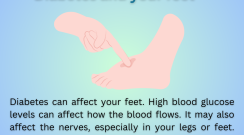
People with diabetes are at a higher risk of developing complications in their feet due to poor blood circulation and nerve damage. These issues can lead to serious infections, ulcers and other foot problems if not properly cared for.
Do Some Prep Work!
It’s easy to give in to temptation when you’re dining with friends. Before you go, look up the restaurant’s menu online, and choose a dish that fits with your diabetes meal plan. You also can call ahead of time to ask questions and make requests. Some chefs will prepare a special meal.
Planning an escape to the beach? You don’t want anything to get in the way of a day enjoying the sand and sun. To make sure you have a perfect beach getaway, here’s a closer look at some things to do and items to bring that will help you have the best experience while managing your diabetes.
It's all about pushing limits, setting new goals, and becoming the best version of ourselves! Gym essentials packed and ready to go! Here’s a list of your gym bag must-haves.
Early detection and proper care are key in avoiding complications. If you notice any concerning symptoms, don't hesitate to consult your healthcare provider. Stay safe and take care of your feet.
Together, you and your healthcare provider will determine a treatment plan that works best for you. These medications are not just beneficial for blood sugar management but also help reduce risk for diabetes complications such as heart and kidney problems.
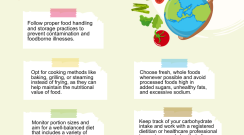
Making wise and healthy food choices will help you manage your blood glucose levels and lose weight if needed. A best choice is a food that is better for you than other foods in the same group. Best choices are lower in saturated fat, trans fat, added sugar and sodium than similar foods.